
2026-04-21
Discover the Exciting World of FortuneNeko: The Ultimate Slot Experience
Explore the captivating FortuneNeko game at FC588.com, the leading online platform for slot enthusiasts in Brazil.

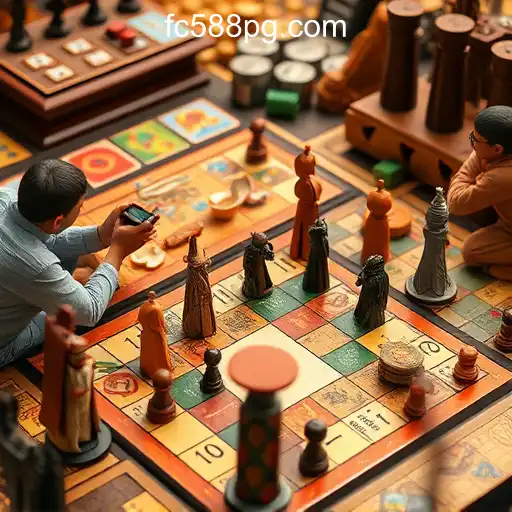
Tabletop games have long been a cornerstone of social interaction and strategic thinking, serving as both a form of entertainment and a tool for cognitive development. From traditional board games like chess and Monopoly to modern role-playing games (RPGs) like Dungeons & Dragons, these games offer diverse experiences that cater to a wide range of tastes and preferences. In recent years, the cultural significance and popularity of tabletop games have grown substantially, marking a resurgence in interest thanks to innovations in game design and the rise of social media platforms that allow for greater connectivity and community involvement.
The history of tabletop gaming can be traced back to ancient times, with early examples including games like Senet from ancient Egypt and Go from China, which date back thousands of years. These games laid the groundwork for modern-day tabletop gaming, evolving through various cultures and historical periods. Over the centuries, tabletop games have morphed into a diverse array of genres, from simple family-oriented board games to complex strategy games that challenge even the most experienced players.
In the contemporary setting, tabletop games have undergone a transformation with new design philosophies that emphasize inclusive accessibility and narrative depth. The focus has expanded beyond mere competition to include cooperative elements and story-driven mechanics, allowing players to immerse themselves in unique worlds and scenarios. The role of technology has also played a significant part, with digital adaptations offering new ways to experience classic games and introducing innovative mechanics that blend the physical and digital realms.
In today’s entertainment landscape, tabletop games share the stage with digital platforms such as video games and online casinos, where platforms like FC588.com Oficial Slots Brasil #1 offer an entirely different form of gaming experience. The interactive and tactical nature of tabletop games, however, continues to attract a dedicated audience. There is a certain charm in the tactile interaction with game pieces, the visual engagement with a game board, and the social interaction that digital gaming environments sometimes lack.
Moreover, tabletop games have influenced various aspects of contemporary entertainment, leading to the creation of virtual board games that you can find on different online platforms. These digital versions retain the strategic depth and social interaction of their physical counterparts while allowing for cross-border play with global players. They provide an accessible entry point for new players and showcase the universal appeal of strategic and role-playing games.
One of the most appealing aspects of tabletop games is their inherent social nature. Unlike solo pursuits, these games often require or encourage players to gather around a table, communicate, negotiate, and strategize together. This makes them an excellent tool for fostering social bonds, developing teamwork skills, and promoting healthy competition. The communal experience of playing a game together is something that the online realm strives to replicate but often cannot fully achieve.
Communities centered around tabletop gaming have thrived both locally and globally. Local game shops and conventions provide spaces for enthusiasts and new players to discover, play, and discuss different games. These communities foster a culture of inclusivity, where players from various backgrounds and skill levels are welcomed. They also offer a venue for fans to share their passion, creativity, and love for tabletop games, further enhancing their cultural relevance.
Tabletop games have made significant impressions on popular culture, often serving as inspiration for books, television series, and movies. Titles such as Clue, with its successful adaptations, highlight the broad appeal and potential for narrative expansion that tabletop games provide. Similarly, Dungeons & Dragons, once a niche hobby, has become a symbol of fantasy storytelling, contributing significantly to the development of fantasy genres in various forms of media.
The resurgence in popularity of tabletop games has also been fueled by the increasing visibility provided by platforms such as YouTube and Twitch, where influencers and gaming enthusiasts showcase various gameplays, tutorials, and reviews. These platforms amplify the reach and influence of tabletop games, attracting new players and fostering a culture of appreciation for the complexities and craftsmanship involved in game design.
As the world of tabletop games continues to evolve, designers and players alike are eager to explore new horizons. The integration of augmented reality (AR) and virtual reality (VR) promises to further blur the boundaries between physical and digital play, creating immersive experiences that were previously unimaginable. The potential to incorporate sensor technology and artificial intelligence could see the emergence of dynamic game mechanics that adapt to the players’ real-time decisions and styles.
The influence of tabletop games on modern culture, including digital gaming platforms like FC588.com Oficial Slots Brasil #1, underscores their lasting relevance and potential for growth. They embody a cherished tradition within human society, continuously reinventing themselves to remain relevant in a rapidly changing entertainment landscape.
Explore the captivating FortuneNeko game at FC588.com, the leading online platform for slot enthusiasts in Brazil.

Dive into the exciting universe of 5GodBeasts, where mythology meets modern gaming with FC588.com Official Slots Brasil #1.

Explore the exciting universe of CricketFever, a captivating blend of sports and gaming with FC588.com Oficial Slots Brasil #1, offering a unique and riveting experience.